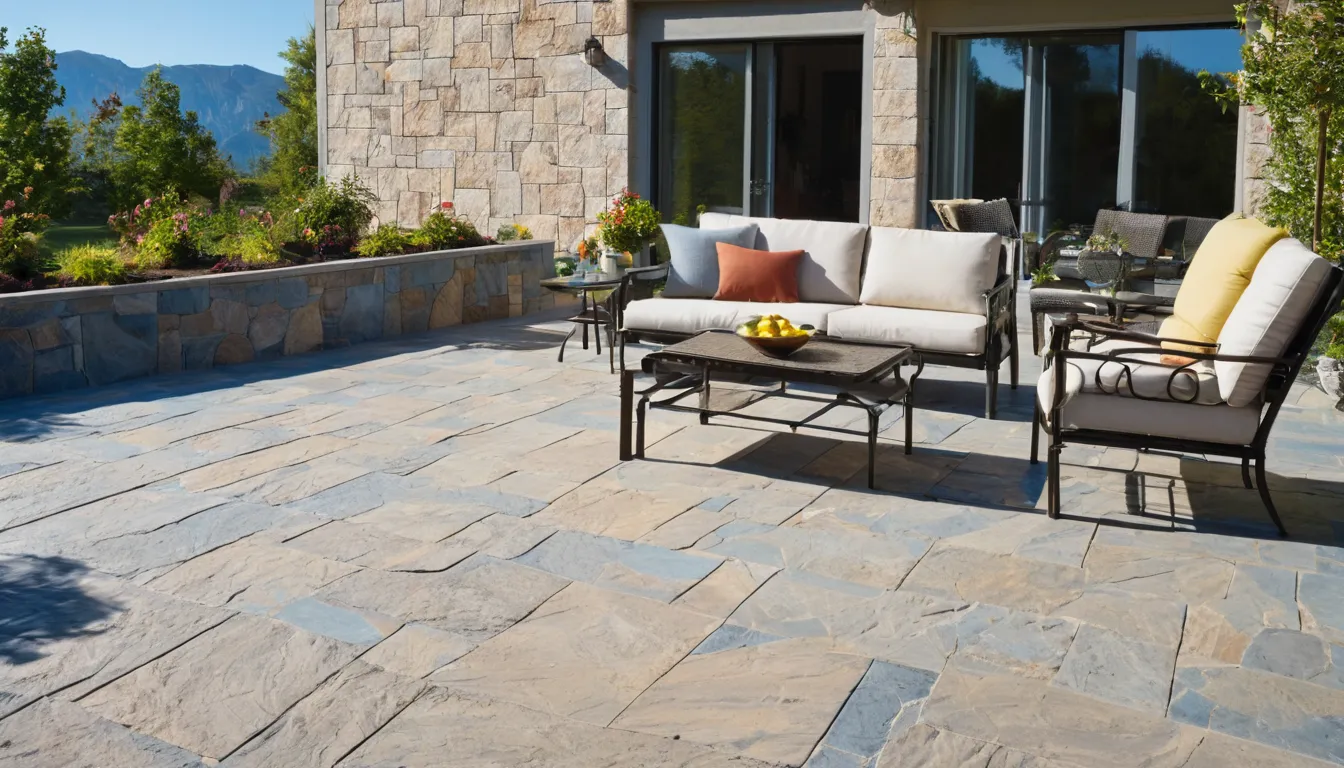
Need concrete driveways services in Eagle Mountain?
Tell us about your driveway or patio plans. Send the request form, or Request a callback to check provider availability.
No obligationConcrete driveways and patios for Eagle Mountain homes
A driveway takes a beating. Sun, snow loads, fast spring melt and hail all work on the slab year after year. When patches stop helping, a new pour is often the next step.
Loanwhich Concrete is a referral service. We do not pour concrete. We help you learn the terms, measure your space and gather photos. Then we connect you with an independent provider in our network who handles the heavy work. You compare quotes at your own pace. There is no pressure and no obligation. Plan before you pour, and the whole job goes smoother for everyone involved.
Maybe you keep patching the same cracks. Maybe water pools by the garage after every storm. Either way, a quick look now can save you a bad surprise later.
Walk the slab with a tape measure and your phone. It takes about twenty minutes.
Look for these problems:
One hairline crack is normal. Many cracks across the whole slab are not.
A raised edge can catch a foot, a bike wheel or a stroller. Mark it with chalk or tape. Keep kids and guests away from it. A raised or sunken panel is a good reason to talk to a provider soon.
Concrete driveway repair works for small, local damage. Think a few narrow cracks or one chipped corner. If the base under the slab has shifted, patching only hides the issue. Many providers will tell you which way to go once they see it. Ask them to explain why.
Good records make estimates easier. Take wide shots from the street and the garage door. Then take close shots of each crack, with a coin or tape measure beside it. Add the date in a note on your phone.
These same photos can help if damage came from a sudden event. Some policies may cover sudden damage, so check your policy. Providers can often help document damage for a claim.
Measure the length and width in feet. Note any curves, slopes or gates. Mark where you park, where the trash bins sit and where snow gets piled. Providers use these numbers to figure how much concrete the job needs.
Dry air and strong sun can dry a fresh slab too fast. Heavy snow and fast spring melt push water into every crack. Hail can pit a rough surface. Ask providers how they handle curing, joints and sealing in your climate.
Most jobs follow the same path:
This is concrete flatwork. It is heavy, timed and hard to undo. Leave it to a pro.
A standard driveway slab is often about four inches thick. Heavier trucks or RVs may need more. Wider drives are easier to park on and to shovel. For the surface, a broom finish gives grip when wet or icy. A smooth finish looks sleek but can get slick.
The apron is the part where your drive meets the street. Many towns have rules about its width and slope, and some need a permit. Ask each provider whether they pull permits or leave it to you. Your city office can tell you what applies.
A good driveway slopes away from the house. If your slab tilts toward the walls, water can reach the basement. That is when foundation repair experts may need a look as well. Tell your driveway provider about any wall cracks or damp basement spots.
You can clear the area, move cars and planters, and trim back shrubs. You can mark sprinkler heads and buried lines. You can also take photos, measure and write down questions.
Stop before demolition, base work, forms or the pour. These steps need tools, timing and a crew. Mistakes here can mean a slab that cracks or holds water.
Get at least two written quotes. Compare the same things side by side: thickness, base prep, joints, finish and sealing. Ask about insurance and licensing, and check what your town expects. Be careful with any quote that is vague.
Keep cars and heavy loads off until the provider says it is safe. Keep pets and kids away from the wet surface. Avoid de-icing salts in the first winter if you can. Seal as advised, and keep your quote, photos and notes in one folder.
Providers break out the worn driveway and take the pieces away, so the site is ready for new work.
A level, packed base helps the new slab stay flat and shed water.
Forms shape the edges, and steel or mesh helps hold the slab together.
The surface gets leveled, textured and cut with joints, then cured and often sealed.
Prices vary by region, site access, thickness and finish. These are typical U.S. ranges only, so always ask for a written quote.
| Item | Typical range | Notes |
|---|---|---|
| New plain concrete driveway | $6 – $12 per sq ft | Basic broom finish, standard thickness |
| Two-car driveway (about 500 sq ft) | $3,000 – $6,000 | Size and base work change the total |
| Old slab removal and hauling | $1 – $3 per sq ft | Thicker or reinforced slabs cost more |
| Base grading and extra gravel | $500 – $2,500 | Depends on slope and soil |
| Decorative or colored finish | $2 – $8 more per sq ft | Adds to the base price |
| Permit and apron work | $100 – $1,500 | Rules and fees vary by town |
Measure the drive and take clear photos of cracks, low spots and drainage.
Note size, finish, slope concerns and any gate, grade or parking needs.
Request a callback or send the request form to connect with a local provider.
Line up scope, thickness, base prep and finish side by side, then choose.
Plain guides and checklists help you understand terms and choices before anyone talks price.
Providers in our network run their own businesses and do the actual concrete work themselves.
Photos, measurements and notes make quotes easier to compare and claim talks easier to start.
Request an estimate when you are ready, with no obligation to move ahead.
Tell us about your driveway or patio plans. Send the request form, or Request a callback to check provider availability.
No obligationA well-built concrete driveway can last decades, but it depends on base prep, thickness, climate and care. Freeze-thaw cycles, salts and heavy loads shorten its life. Ask providers how they build for your local weather.
Small, narrow cracks can often be sealed or patched. Wide cracks, sunken panels or crumbling surfaces usually point to base problems. A provider can look at the slab and tell you whether concrete driveway repair makes sense.
Often yes, especially if the work touches the street apron or changes the driveway width. Rules differ by town. Ask your city office and ask each provider whether they handle permits or expect you to.
Tell us about your driveway or patio plans. Send the request form, or Request a callback to check provider availability.
No obligation