Plan your new slab before the trucks arrive
Thinking about a new concrete driveway or patio? Good. A slab is one of those projects where a little homework up front saves a lot of headaches later. Loanwhich Concrete helps homeowners in Eagle Mountain and the Eagle Mountain area sort out the options before anyone mixes a single batch.
Here is how it works. You tell us what you have in mind. We pass your request to an independent local provider in our network. The provider talks through the plan, looks at your site and gives you a written estimate. You decide if it fits. There is no obligation.
Loanwhich Concrete is a referral service. It does not pour, cut or finish concrete. The providers in our network do that work, and they run their own crews and schedules.
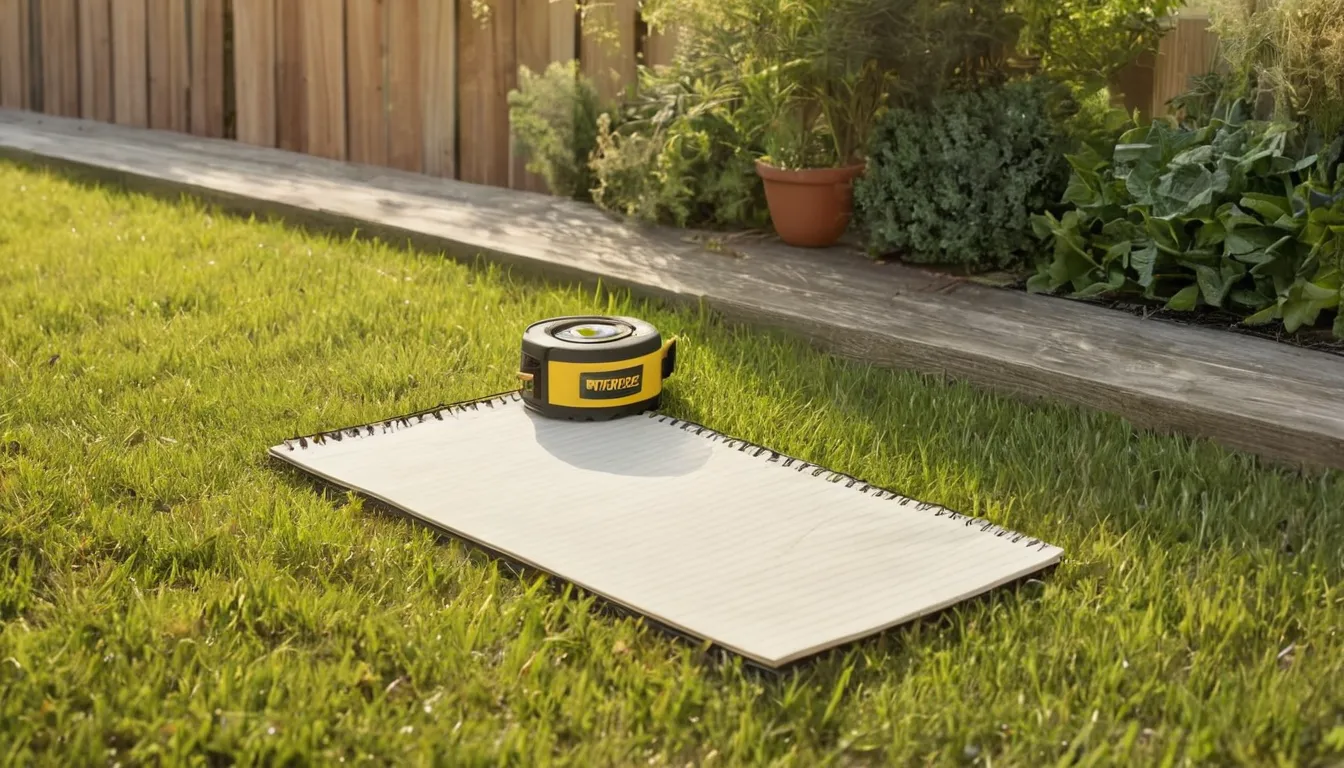
You can do plenty yourself before that first visit. Measure the space. Snap photos. Note where water runs after rain or snowmelt. Jot down the look you want. That prep makes estimates faster and easier to compare.
Ready to talk it through? Request a callback to check provider availability for your project.
Get an Estimate
How It Works
A referral service, not a contractor
Loanwhich Concrete is a matchmaker. You describe the job, and we connect you with a local provider from our network of independent businesses. The provider does the work. We do not. That is worth knowing before you ever sign anything.
Why plan before you pour
Concrete is hard to undo. Once it cures, a wrong slope or a bad layout stays put. So the smartest money you spend is thinking time. Where should water go? How wide should the driveway be? Will a patio table and grill fit with room to walk around?
What you can safely do yourself
Plenty. Walk the site and mark the edges with stakes and string or spray paint. Measure length and width. Take photos from a few angles. Note slopes, trees, utility boxes and the spot where gutters drain. Look through any plans or neighborhood rules you have on hand.
Where to hand off to a pro
Stop at excavation, grading, forms, rebar, pouring and finishing. These steps need tools, timing and experience. A local provider also handles the base layer, control joints and curing, which decide whether a slab lasts.
What happens after you reach out
- You share your project details.
- A provider in the network contacts you.
- You talk through size, finish and timing.
- You get a written estimate to review.
- You choose whether to go ahead.
No pressure at any step. Compare more than one estimate if you like.
Built for the Eagle Mountain area weather and homes
Concrete does not behave the same everywhere. Around Eagle Mountain, the dry air pulls moisture out of a fresh slab quickly. Strong sun at altitude adds to that. Heavy snow loads, fast spring melt and the occasional hailstorm all test a surface over the years.
That is why local providers matter. Those in our network work in this climate. They know how timing, curing and sealing change when the air is dry and the sun is strong. Ask them how they handle it.
Housing plays a part too. Many homes here are newer frame builds, often with basements and wood or stucco exteriors. A driveway or patio next to those walls needs good drainage. Water should run away from the house, not toward the foundation or a basement window well.
When you walk your property, watch where snowmelt goes in spring. Mark pooling spots. Share those notes with the provider. It helps them plan the slope.
Want to see what a local provider would suggest for your yard? Request an estimate and describe what you have in mind.
Get an Estimate
Know your options and stay organized
Start with a simple notebook
Get a folder, paper or digital. Put in your measurements, photos, sketches and any notes about what you want. Clean records make every conversation easier, and you will not have to remember details later.
Photos worth taking
Shoot the area before work begins. Capture the whole space, the edges, nearby walls, the garage apron and the spot where the driveway meets the street. Add a few close-ups of existing cracks or low spots. Date them. These help with estimates and give you a clear before picture.
Keep paperwork in one place
Save every written estimate, the scope of work, the material and finish details, and any change notes. Compare them side by side. Look for matching items, such as slab thickness, base prep, reinforcement and sealing.
A word about insurance
New concrete is usually a home improvement, not a claim. If you ever deal with sudden damage, some policies may cover it, so check your policy. Providers can often help document damage for a claim. Good photos and notes help.
Foundation questions come first
If you see wall cracks, doors that stick or a slab pulling away from the house, pause. That may call for foundation repair experts before any new flatwork goes in. Pouring over a moving problem wastes money.
Old slab or new slab?
Concrete driveway repair is a different job from a new pour. If your old slab is cracked, a provider can tell you whether patching makes sense or whether replacement is the better route. Ask for both options in writing.
Stamped concrete patios
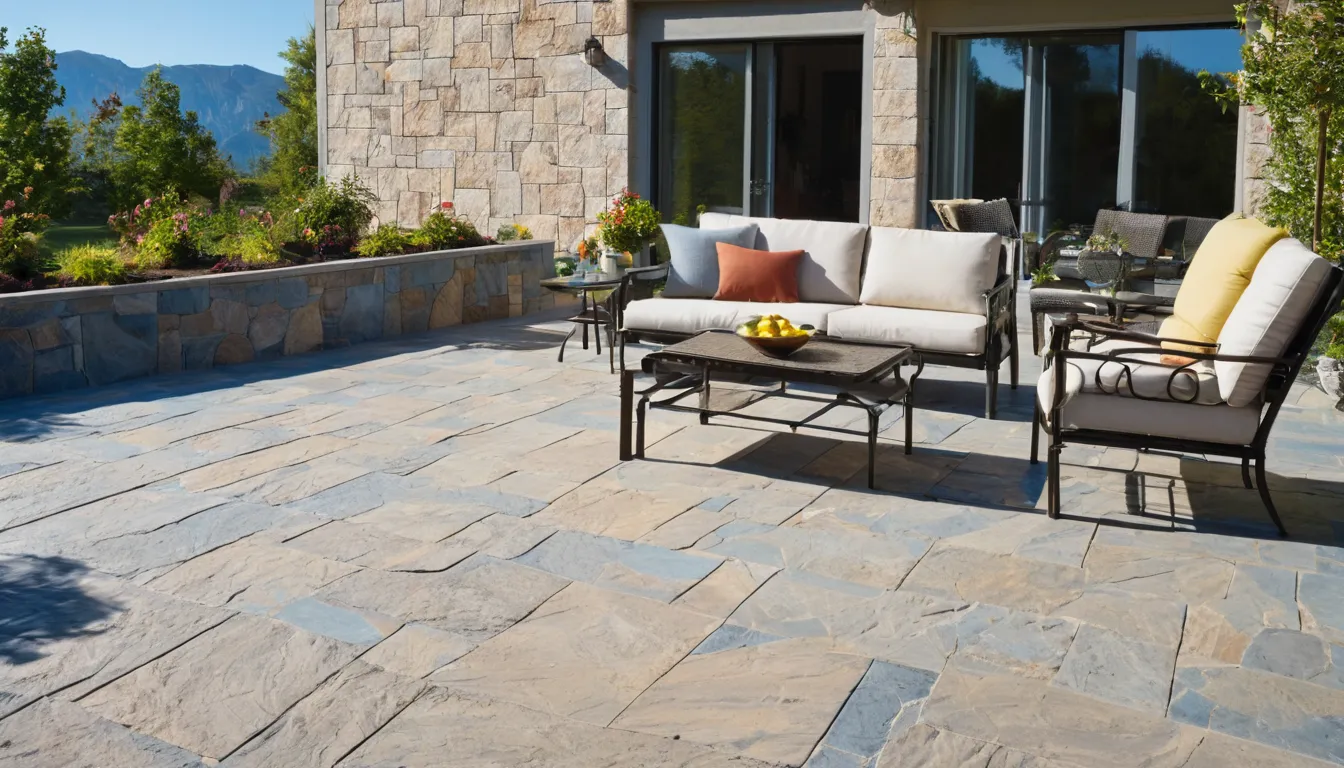
Stamped concrete patios can mimic stone, brick or wood. Choose a pattern, a color and a sealer with your climate in mind. Ask to see samples in outdoor light.
Costs in plain terms
Prices vary by size, site access, thickness, finish and local rates. Typical U.S. ranges run from a few dollars to well over ten dollars per square foot for plain concrete, and more for decorative work. Always get a written quote.
Start Your Project
Have a driveway or patio in mind? Share a few details and a local provider from our network can follow up. Bring your measurements and photos if you have them. If you would rather talk first, Request a callback to check provider availability. No obligation either way.
Get an Estimate