Need stamped concrete in Eagle Mountain?
Tell us about your driveway or patio plans. Send the request form, or Request a callback to check provider availability.
No obligationConcrete driveways and patios for Eagle Mountain homes
Compare stamped concrete options today
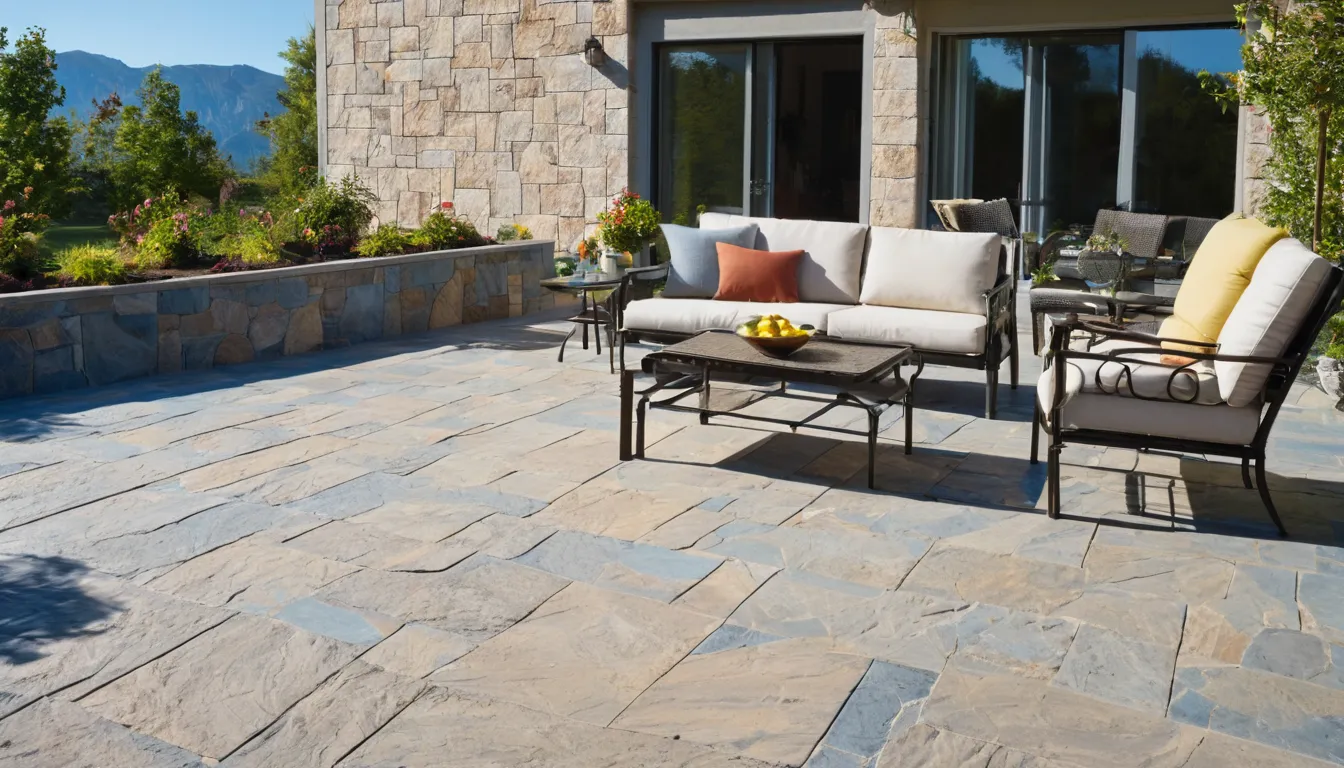
Stamped concrete is regular poured concrete that gets color and a pressed pattern while it is still soft. When it is done well, it can pass for slate, brick, cobblestone or wood planks. It costs less than most natural materials and fits many yards.
Loanwhich Concrete is a referral service. We do not pour or stamp anything ourselves. We help you learn the terms, get your notes in order and reach independent providers in our network near Eagle Mountain, UT. Measure the space, snap some photos, then compare what local providers offer. There is no obligation to hire anyone, and you stay in charge of every choice.
Stamped concrete is poured concrete pressed with patterns while it is still soft. The finished surface can look like stone, brick or wood. Most people choose it for a patio or a walkway. Before you talk to anyone, measure, snap, compare. A few notes now will make every conversation easier.
Stamping has a short working window. The provider has to color, texture and press the pattern before the slab firms up. Dry air and strong sun at altitude speed that up. Cold slows it down. Good providers watch the forecast closely, so stay flexible on your start date.
You can do the planning work. Measure the length and width. Mark the edges with stakes or spray paint. Note where water runs after rain or a fast spring melt. Take photos from several angles. Clear off furniture and pots. Stop there. Mixing, coloring and pressing a pattern takes practice, tools and a crew.
The process has four main stages. Knowing them helps you read a quote.
The provider shapes the ground, lays a compacted gravel base and sets wooden forms. Many add rebar or wire mesh. A firm base matters where heavy snow and freeze-thaw cycles push on a slab.
Color goes into the mix, onto the surface as powder, or both. A release agent keeps the mats from sticking. It also leaves subtle shading that makes the surface look natural.
Workers lay textured mats and press them in by hand or with tools. Edges and tight corners get hand tools. Straight lines are cut into the slab so it can move without random cracking.
The slab cures for days. Then it is washed and sealed. The sealer protects the color and gives a matte or glossy finish.
Random stone, ashlar slate, brick herringbone and wood plank are common picks. Warm grays, tans and soft browns blend well with wood and stucco homes. Lighter colors stay cooler under intense sun. Ask to see a sample board and look at it in your own yard light, not just indoors.
Stamped concrete patios are the classic use. It also suits walkways, pool decks, porch landings and walkout areas near a basement door. Choose a pattern with some texture where ice is a concern. A smooth, glossy sealer can get slick when wet. Ask about a grip additive.
Pavers are separate units. You can lift and reset a few if the ground shifts. They also have many joints where weeds can grow. Stamped concrete is one slab with fewer seams, and it is usually quicker to install. The tradeoff is that a slab can crack if the base or joints are poor. Get quotes for both and compare the scope line by line.
Planned control joints guide where concrete cracks. Ask the provider where they will place them. Hail seldom harms cured concrete, but it can dull the sealer. Skip harsh deicing salts.
If you already have a damaged slab, concrete driveway repair is a different job from a new stamped surface, so say so up front. If you see a slab sinking against the house, bring in foundation repair experts before planning new concrete flatwork nearby.
Expect a few working days for prep, forms and the pour, plus waiting time. Light foot traffic is often fine after a few days. Vehicles and heavy furniture usually wait longer. Full strength builds over about four weeks. The sealer goes on after the slab has cured and dried. Your provider will set the actual schedule.
Sweep often and rinse with a hose. Use a mild cleaner for stains. Shovel snow with a plastic blade, not bare metal. Plan to reseal every two to three years, or when water stops beading on the surface. Keep the sealer product name in your records.
A tidy folder saves time. Keep your photos, measurements, a rough sketch, drainage notes and any neighborhood or permit rules. Save every quote and receipt. If damage ever happens, those records help. Some policies may cover sudden damage, so check your policy. Providers can often help document damage for a claim.
Ask to see photos of past stamped jobs. Ask for a written quote that lists base depth, thickness, reinforcement, color method, pattern, joints and sealer. Ask what licensing and insurance your area requires and ask to see proof.
Be careful with pressure to sign on the spot, a large deposit up front, or a vague quote with no written scope. A good provider is happy to answer questions and put details on paper.
Providers look at slope, soil and drainage so the slab is planned for your yard.
Gravel base, forms and rebar or mesh are set up to handle snow and freeze-thaw.
Choose a stone, brick or wood look and a color that suits your exterior.
The cured slab is cleaned and sealed, with options for texture and grip.
Prices vary by size, pattern, color, base work and local labor. These are typical U.S. ranges only. Always get a written quote that lists exactly what is included.
| Item | Typical range | Notes |
|---|---|---|
| Stamped patio, per sq ft | $12 – $25 | Pattern and color choices change the price |
| Stamped driveway, per sq ft | $12 – $30 | Thicker slab and heavier base cost more |
| Base prep and grading | $2 – $6 per sq ft | Depends on soil and slope |
| Integral or surface color | $1 – $3 per sq ft | Two-tone effects add labor |
| Sealer, per coat | $1 – $3 per sq ft | Resealing is usually needed every few years |
| Old slab removal | $2 – $6 per sq ft | Haul-away and thickness affect the total |
Measure the space, mark the edges and take photos from several angles, including drainage.
Browse patterns and colors, then note two or three favorites to show providers.
Ask independent providers for itemized quotes and compare base, joints, color and sealer.
Choose a date with a weather cushion, then let the provider handle the heavy work.
Learn the terms and steps first, so quotes make sense when they arrive.
You know what to do yourself and where to hand off the work.
Photos and notes keep estimates and any claim conversation organized.
Request an estimate with no obligation and decide at your own pace.
Tell us about your driveway or patio plans. Send the request form, or Request a callback to check provider availability.
No obligationWith a solid base, proper joints and regular resealing, stamped concrete can last for decades. Climate, drainage and winter care all matter, so ask a local provider what to expect in your area.
Concrete can crack even when installed well, which is why providers cut control joints to guide where it happens. Small hairline cracks can sometimes be filled and sealed, but ask the provider what repairs are possible and how they look afterward.
A glossy sealer can get slick. Ask your provider about a slip-resistant additive or a matte finish, especially for steps and pool areas. Use plastic shovels and avoid harsh deicing salts in winter.
Tell us about your driveway or patio plans. Send the request form, or Request a callback to check provider availability.
No obligation